

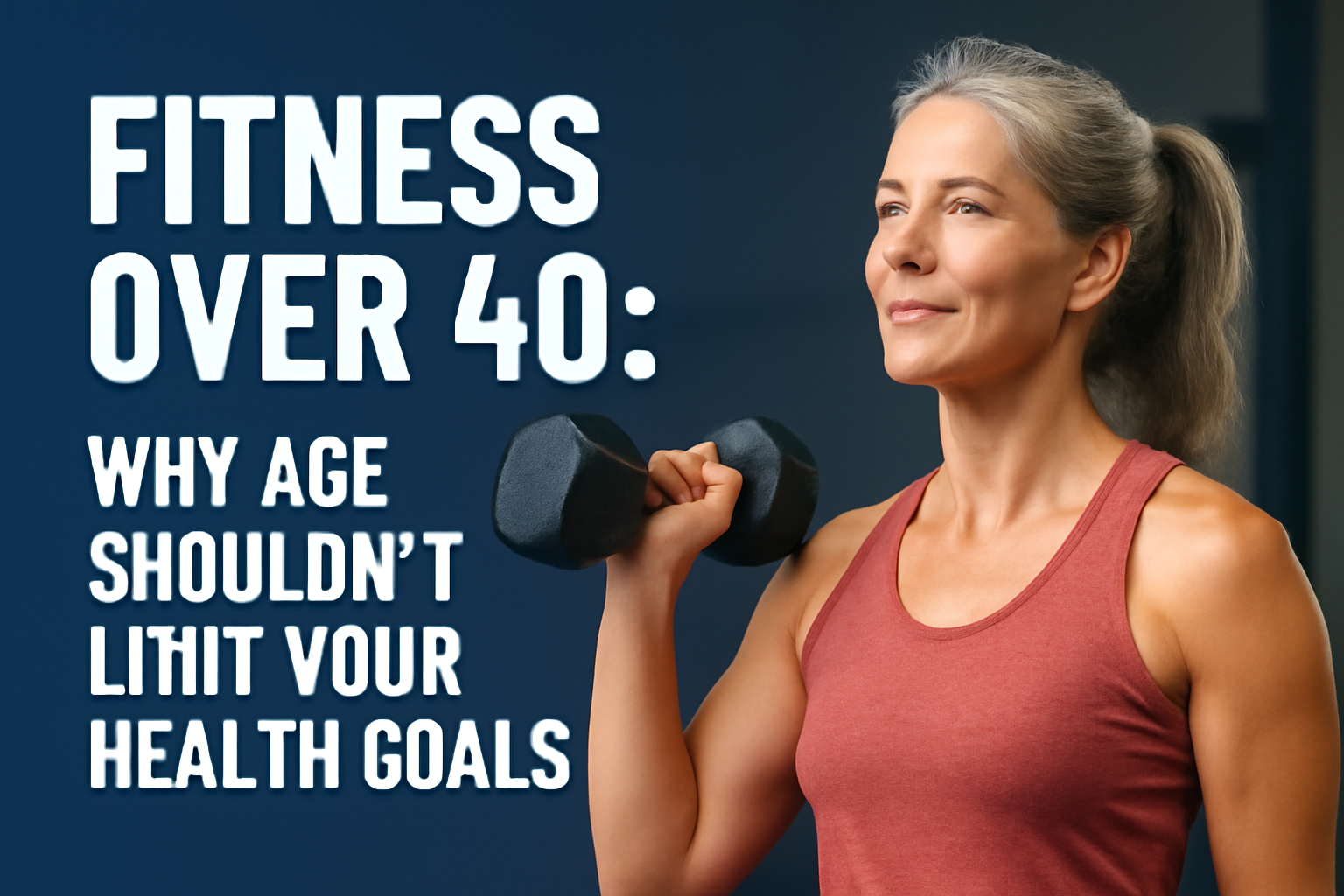
As we age, maintaining physical health becomes increasingly important. However, many people believe that getting fit after 40 is difficult or impossible. The truth is that it’s never too late to start taking care of your body. With the right approach, individuals over 40 can experience the benefits of physical activity, from improved mobility to better mental health. This article will discuss why fitness is essential after 40, provide expert tips for staying active, and highlight success stories of people who have transformed their health later in life.
The Importance of Fitness After 40
After the age of 40, our bodies undergo several changes, including a decrease in muscle mass, a slowing metabolism, and a decline in bone density. Staying active is critical for:
- Maintaining Muscle Mass: Regular strength training helps preserve muscle mass, which naturally declines with age.
- Improving Bone Health: Weight-bearing exercises such as walking, running, and resistance training strengthen bones and help prevent osteoporosis.
- Boosting Metabolism: Exercise can counteract the slowing of metabolism that occurs with age, helping to maintain a healthy weight.
- Enhancing Mental Health: Physical activity has been shown to reduce stress, improve mood, and combat symptoms of depression and anxiety.
Expert Tips for Staying Fit After 40
- Strength Training:
- Incorporating strength training into your routine is essential for maintaining muscle mass and boosting metabolism. Start with bodyweight exercises like squats and push-ups, and progress to free weights or resistance bands.
- Tip: Aim for strength training 2-3 times per week, focusing on different muscle groups each session.
- Cardiovascular Exercise:
- Cardiovascular exercise, such as walking, swimming, cycling, or running, is crucial for heart health and weight management. Aim for at least 150 minutes of moderate-intensity aerobic activity per week.
- Tip: Mix up your cardio routine with interval training (HIIT) to improve endurance and burn more calories.
- Flexibility and Balance:
- As we age, flexibility and balance become more important for preventing falls and injuries. Incorporating yoga, Pilates, or tai chi into your routine can improve flexibility, balance, and mental clarity.
- Tip: Stretch daily, and include balance exercises like standing on one foot or using a balance board.
- Rest and Recovery:
- Recovery is essential to prevent injury and promote muscle repair. Ensure you get enough rest between workouts, and consider using foam rolling or stretching to ease muscle tension.
- Tip: Pay attention to your body’s signals and avoid overtraining. Get 7-9 hours of quality sleep each night to allow your body to recover fully.
Success Stories of Fitness After 40
- Toni Morrison: The late novelist, who began her fitness journey in her 50s, incorporated strength training into her routine and was known to regularly walk and do yoga.
- Harrison Ford: The actor, now in his 70s, is known for practicing yoga and Pilates, showing that staying fit and active is achievable at any age.
- Mark Wahlberg: Mark Wahlberg, a fitness enthusiast, continues to prioritize strength training and cardio well into his 50s.
Conclusion
Fitness after 40 is not only possible but essential for maintaining long-term health and well-being. By incorporating strength training, cardio, flexibility, and recovery into your routine, you can stay fit, healthy, and energized at any age. Remember, it’s never too late to start making positive changes for your health!